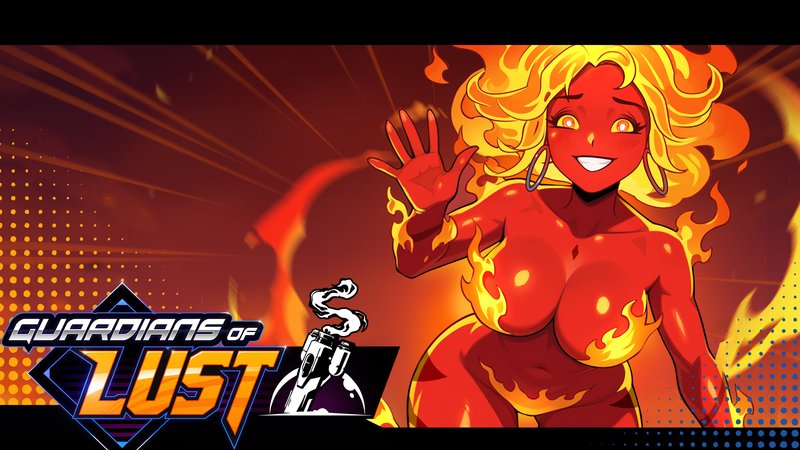
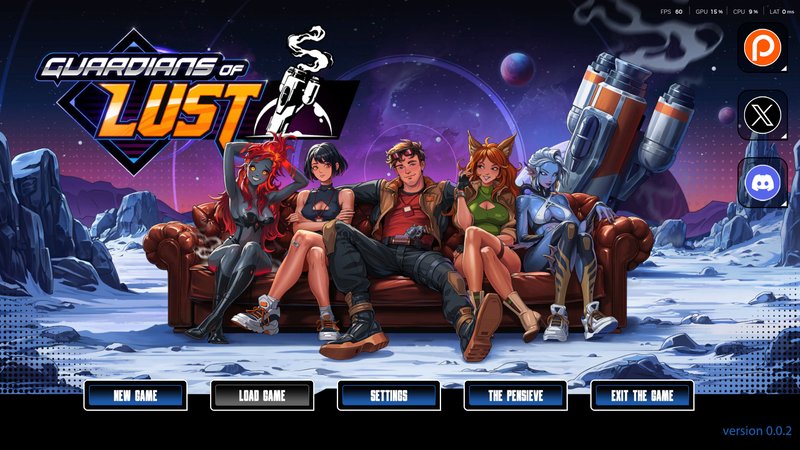
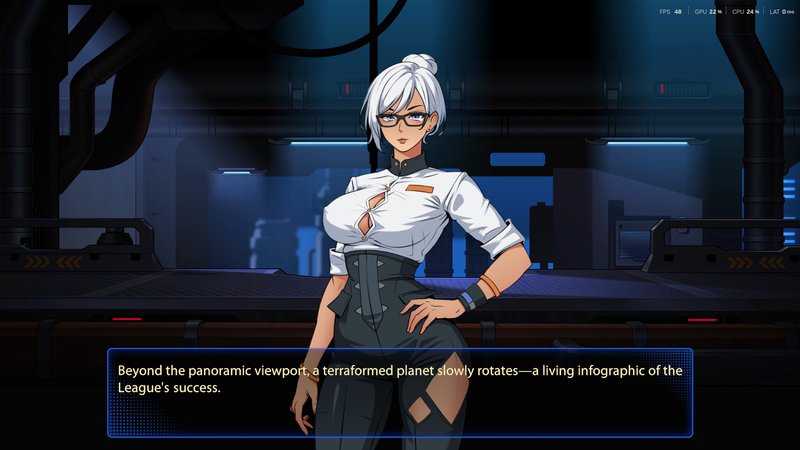
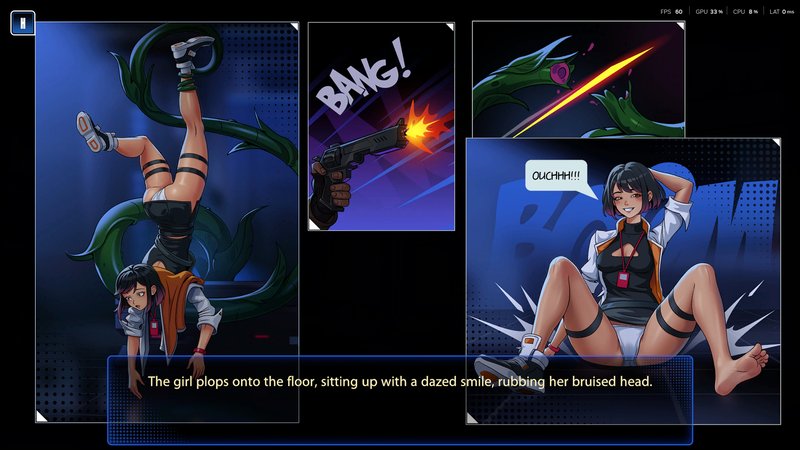
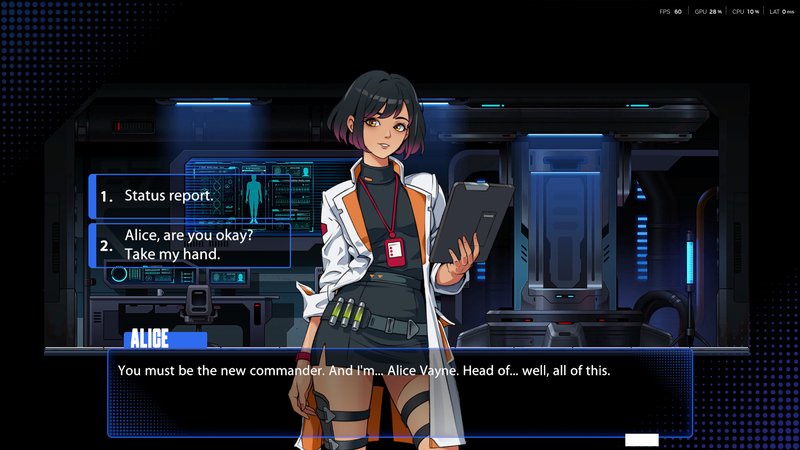
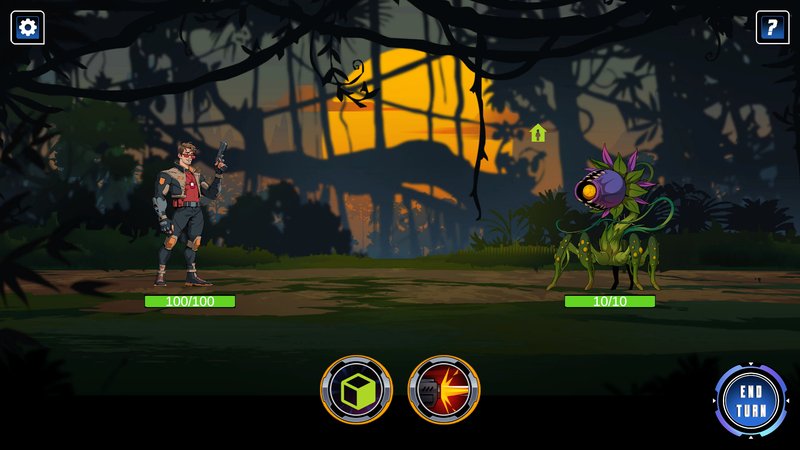
Guardians of L.U.S.T. is an early-access deck-builder with sexual content that shows promise in concept but stumbles significantly in execution. The art is competent (though its AI-assistance status remains disputed), and the core loop of deck-building mixed with puzzle segments and combat has potential; however, multiple reviewers report game-breaking balance issues, soft-locks on puzzles, UI bugs that block progression, and unclear mechanics that force trial-and-error play. Bugs range from minor (sprite/text mismatches) to severe (enemies applying effects incorrectly, puzzle states becoming unresolvable, save/load corruption). The gameplay itself struggles with pacing — combat is described as tedious (one skill per turn), puzzles lack clarity, and the narrative hook (exposing a mole) feels disconnected from moment-to-moment play. Community sentiment is divided: some see a rough diamond worth watching, others have abandoned it due to frustration. Development appears active but incomplete, and the game clearly needs balance pass, bug fixes, and design refinement before it's ready for a wider audience.
Description
You play as an Agent for the L.U.S.T. Corporation, a shadowy enterprise operating in a gritty sci-fi space. Your mission: infiltrate rival factions, locate the coveted Helios-7 technology, eliminate the Orion Cartel threat, and root out internal moles. The game blends tactical turn-based combat with relationship-driven narrative, where your dialogue choices define your character—either as a ruthless Strategist or a principled Protector. Each decision reshapes story outcomes, NPC reactions, and unlocks exclusive romance scenes.
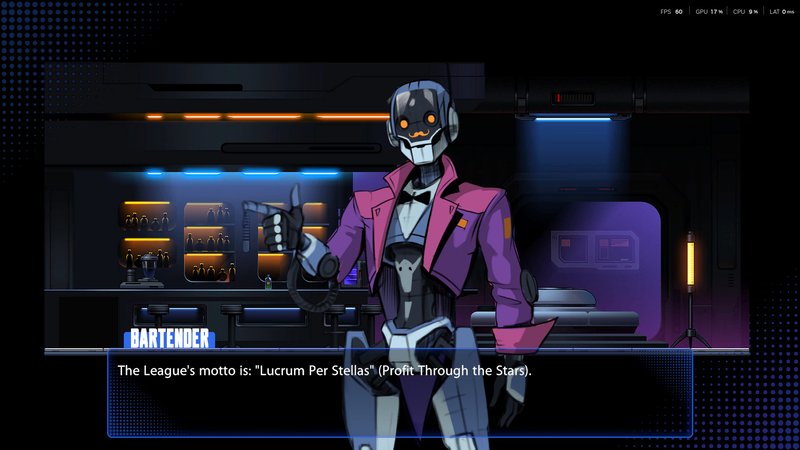
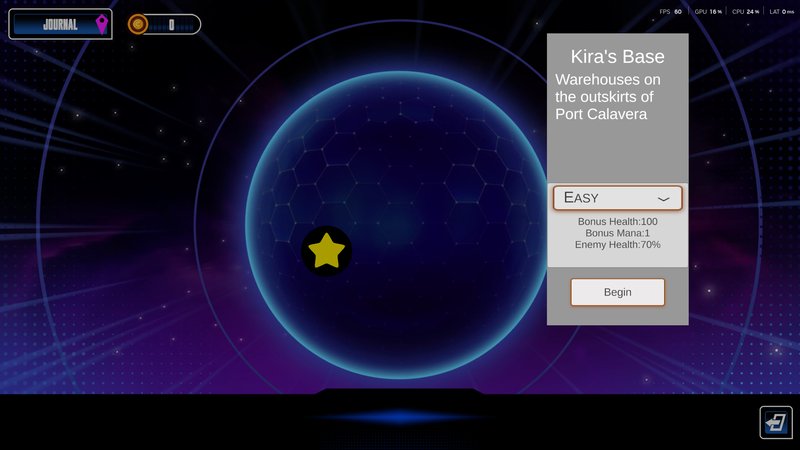
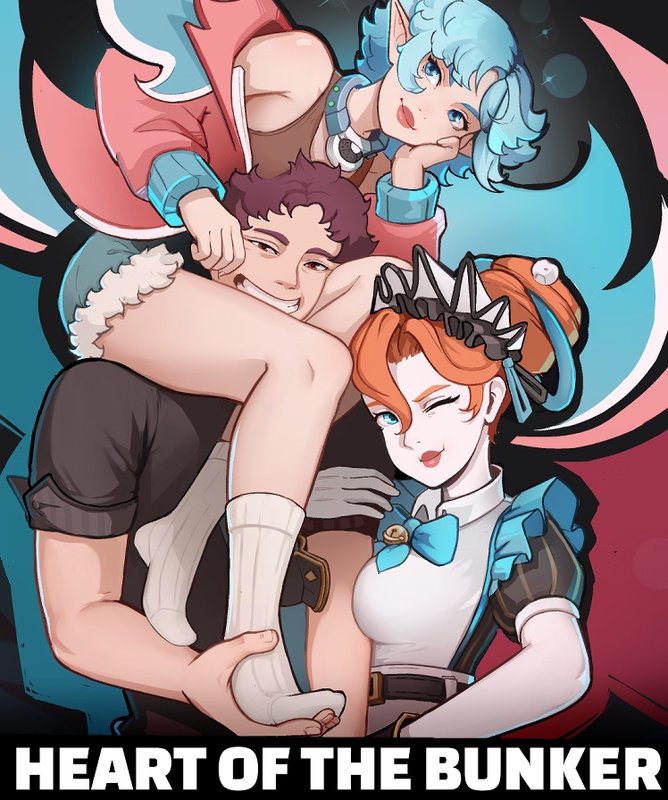
Assemble a crew of complex outcasts: a domineering CEO, an assassin princess, an elemental warrior, and others. Each character has distinct personalities and romantic storylines that deepen as your bond develops. Navigate hostile environments from high-tech corporate facilities to toxic swamps and derelict prisons, battling mutant creatures and corporate enemies. Beyond combat, engage in mini-games and exploration puzzles.
The narrative is dark, satirical, and plot-heavy—filled with prison breaks, espionage twists, and humor that occasionally shifts to genuine stakes. Hand-drawn 2D art grounds the aesthetic in a space western tone rather than generic 3D rendering.
 porn-games.org